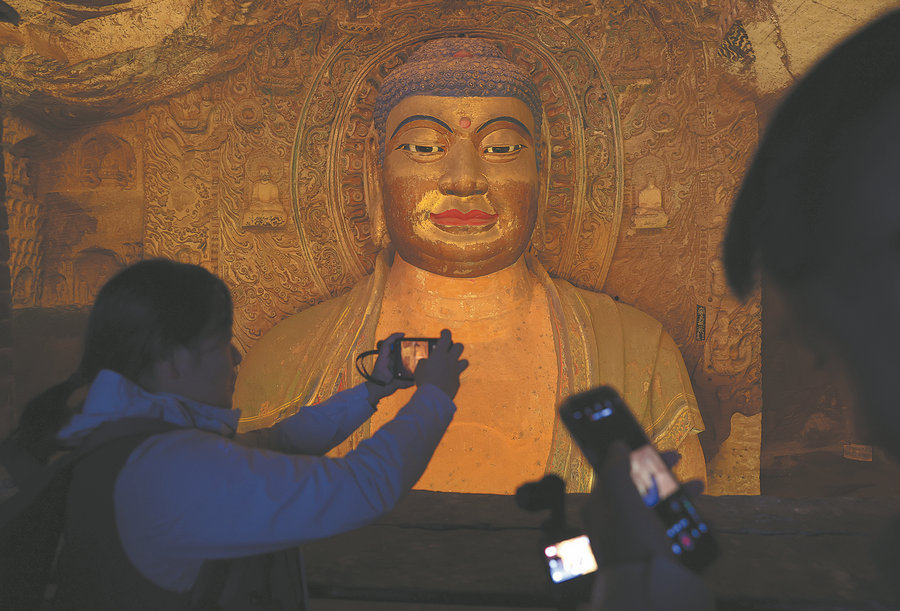
Binzhou Cave Temple
Introduction
The Binzhou Cave Temple, located in Dafosi village, Chengguan town, Binzhou city, Xianyang, Shaanxi province, is a significant cultural and historical site in China. Completed in 628, during the early Tang Dynasty, the temple is a remarkable example of the transition of grotto temple art into the grand aesthetics characteristic of the Tang Dynasty (618-907). As one of the most notable grotto temples in China, the Binzhou Cave Temple represents the rich heritage of Buddhist art and architecture that flourished along the Silk Road. In recognition of its historical and cultural importance, the site was included as a property of UNESCO World Heritage Site "Silk Roads: the Routes Network of Chang'an-Tianshan Corridor" in 2014, further cementing its status as a global cultural treasure.
Architectural Features
The Binzhou Cave Temple showcases the intricate craftsmanship and architectural ingenuity of its time. Carved into the cliffs of Dafosi village, the temple's design reflects the artistic transition from earlier grotto styles to the more elaborate and grandiose aesthetics of the Tang Dynasty. The caves feature a combination of sculptural reliefs, statues, and murals that depict Buddhist themes and narratives. The carvings are characterized by their detailed and lifelike representations, blending the solemnity of religious figures with the naturalistic portrayal of human expressions.
The temple's layout and design are also noteworthy, with its carefully planned niches and chambers that house statues of Buddhas, bodhisattvas, and other deities. The use of space within the caves demonstrates a deep understanding of architectural harmony and spiritual symbolism. The intricate carvings and decorations are complemented by the natural beauty of the surrounding landscape, creating a serene and contemplative atmosphere for visitors and worshippers alike.
Cultural Significance
The Binzhou Cave Temple holds immense cultural and historical significance as a representation of the evolution of Buddhist art in China. The site reflects the cultural exchanges that occurred along the Silk Road, where influences from India, Central Asia, and other regions merged with Chinese artistic traditions. This synthesis of styles is evident in the temple's sculptures and murals, which exhibit a unique blend of Indian and Chinese artistic elements.
As a product of the Tang Dynasty, the Binzhou Cave Temple also serves as a testament to the cultural and artistic achievements of this golden age in Chinese history. The Tang Dynasty was a period of great prosperity and cultural flourishing, and the temple's art and architecture embody the grandeur and sophistication of this era. The site continues to be a source of inspiration and a valuable resource for the study of Buddhist art and history.
Preservation and Restoration
The preservation and restoration of the Binzhou Cave Temple have been a priority for cultural heritage authorities in China. In October 2020, the State Council released the country's first national-level guidance focusing on the protection and study of grotto temples and stone carving sites, including the Binzhou Cave Temple. This initiative highlights the importance of safeguarding these cultural treasures for future generations.
Efforts to preserve the temple include measures to prevent natural erosion, structural damage, and the impact of human activities. Restoration projects aim to maintain the integrity of the site's original features while using advanced techniques to stabilize and protect the carvings and murals. These efforts ensure that the Binzhou Cave Temple remains a well-preserved example of China's rich cultural heritage.








